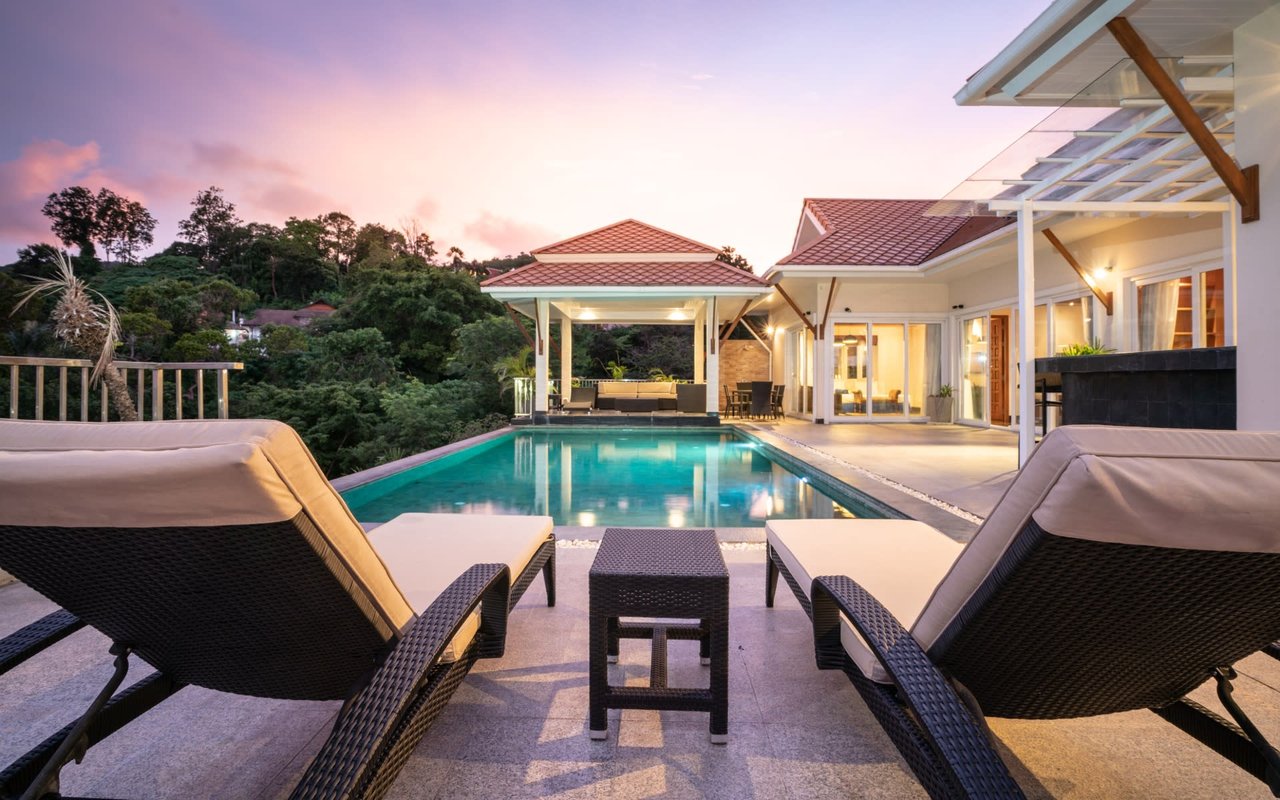
You are touring homes in Peoria, Surprise, or Goodyear in the middle of an Arizona summer, and there it is in the backyard: a sparkling blue pool that feels like the whole reason to buy the house. Before you fall in love with the water, it is worth slowing down. A pool is a real asset and a real responsibility, and the smartest West Valley buyers treat it as its own line item — something to inspect, budget for, and verify, not just admire. This guide walks you through exactly what to check on a pool home before you write an offer, from Arizona's barrier law to the costs that show up after you move in. Let's dive in.
Why so many West Valley homes have a pool
Drive through almost any neighborhood in Peoria, Surprise, Buckeye, Goodyear, Glendale, or Litchfield Park and you will see pool after pool. In a climate where summer highs sit above 100 degrees for months, a backyard pool is less of a luxury and more of a lifestyle feature — a place to cool off, host, and actually use the outdoor space you are paying for.
For buyers, that popularity cuts two ways. A well-maintained pool can make a home more enjoyable and, in many West Valley neighborhoods, more competitive when it comes time to resell. But a pool that has been neglected, or one that does not meet current safety requirements, can become an expensive surprise. The goal is not to avoid pool homes — plenty of them are excellent buys. The goal is to know what you are buying before the offer is signed.
Always get a separate pool inspection
A standard home inspection in Arizona is essential, but it usually treats the pool only at a surface level. For a pool home, add a dedicated pool and spa inspection from a qualified pool inspector. It is a small cost relative to the purchase, and it looks at the systems a general inspector often will not fully evaluate.
A thorough pool inspection typically covers:
- Pump, filter, and equipment: age, condition, leaks, and whether the system is running properly. Heaters, variable-speed pumps, and saltwater chlorinators add complexity and cost.
- Surface and structure: the plaster or finish, tile, coping, and decking. Some hairline cracking is normal; larger cracks can point to bigger problems.
- Plumbing and circulation: signs of leaks, suction issues, and whether water is circulating and draining as it should.
- Safety features: fencing, gates, latches, and drain covers.
Pool inspection fees vary by company and by the size and complexity of the pool, and they are usually billed separately from the home inspection. Ask for a current quote, and schedule it within your inspection period so any findings can inform your negotiation. Information deemed reliable but not guaranteed — confirm scope and pricing directly with the inspector you hire.
Arizona's pool barrier and safety law
Arizona has specific legal requirements for residential pool barriers, set out in state law (A.R.S. § 36-1681). This is one of the most important things to verify on any pool home, because a pool that does not comply can mean added cost and liability for you as the new owner.
Under the state statute, a residential pool that holds water at least 18 inches deep and is wider than 8 feet generally must be enclosed by a barrier that meets requirements including:
- Height: at least a five-foot wall, fence, or barrier measured on the outside.
- No large gaps: no opening that a four-inch sphere can pass through.
- Self-closing, self-latching gates: with the latch placed high (generally at least 54 inches above the ground) or otherwise secured so a young child cannot open it.
- Non-climbable design: no exterior handholds or footholds that make the barrier easy to climb.
- Distance from the water: the barrier must sit at least 20 inches from the water's edge.
Two things matter here for buyers. First, individual West Valley cities can layer additional requirements on top of the state law — for example, rules about doors and windows that open to the pool area. Because barrier rules and enforcement can vary by jurisdiction, verify the current requirements with the city or town the home is in before you close. Second, if the home you want does not currently meet barrier requirements, factor the cost of bringing it into compliance into your offer and your budget.
What a pool really costs to own through an Arizona summer
The purchase is one number. Ownership is another. A pool adds ongoing costs that are easy to underestimate, especially during the long West Valley summer when the pool is working hardest.
The recurring costs
- Maintenance: either your time and chemicals, or a monthly pool service. Either way, summer means more frequent testing and cleaning.
- Energy: the pump runs longer in hot months, and a pool heater (if you want to swim in cooler seasons) adds to the bill.
- Water: evaporation is real in the desert, so you will add water through the summer to keep the level up.
The bigger-ticket items
- Equipment replacement: pumps, filters, and heaters wear out and eventually need replacing.
- Resurfacing: plaster and finishes have a lifespan and will need refinishing down the road.
- Repairs: tile, decking, and plumbing fixes over time.
None of this should scare you off — it should simply be in your budget before you buy, not discovered afterward. Ask the seller (through your agent) for recent service records and the age of the major equipment. Because utility costs, service rates, and repair pricing change, treat any estimate as a planning range and get current quotes for the specific property. Information deemed reliable but not guaranteed.
Insurance, disclosure, and the questions to ask before you offer
A pool can affect your homeowners insurance, because it is considered an added liability. Before you commit, talk to an insurance agent about how a pool — and whether it has features like a diving board or slide — affects your premium and your required coverage. Get that answer while you still have room to negotiate, not after closing.
On the disclosure side, Arizona sellers typically complete a Seller's Property Disclosure Statement (SPDS) that includes questions about the pool and spa, including known issues and past repairs. Read the pool-related sections carefully, and have your agent follow up on anything vague. Disclosures plus your independent pool inspection together give you a much fuller picture than either one alone.
Useful questions to raise before writing the offer:
- How old are the pump, filter, and heater, and when were they last serviced?
- Has the pool been resurfaced, and if so, when?
- Is the barrier currently compliant with state and city requirements?
- Are there service records or warranties that transfer?
- What does a recent summer of pool-related utility and service cost look like?
Private pool vs. community pool — and the HOA factor
Not every West Valley buyer needs a private pool. Many master-planned communities — think Vistancia in North Peoria, Verrado in Buckeye, or large amenity-rich communities in Surprise — offer community pools, splash pads, and recreation centers as part of the HOA. For some buyers, that is the best of both worlds: regular access to a pool without the private maintenance and liability.
If you are weighing a private pool against a community amenity, consider how you will actually use it, the trade-off between convenience and upkeep, and what the HOA covers. Where an HOA is involved, review the current community documents, because HOA fees, rules, and what amenities are included can change over time and should be confirmed for the specific community.
A quick West Valley example
Picture a buyer relocating to Surprise who finds two strong options: a resale home with an established private pool, and a slightly newer home in a community with a shared pool and recreation center. The private-pool home inspects well, but the pool inspection flags an aging heater and a gate latch that does not meet the height requirement. Knowing that before the offer, the buyer asks for the latch to be corrected and budgets for a heater replacement in the next couple of years — and still moves forward confidently because there are no surprises. The point is not which home is "better." It is that an inspected, well-understood pool home lets you make a calm, informed decision instead of an emotional one.
Your before-you-offer pool home checklist
Keep this handy as you tour West Valley pool homes:
- Schedule a dedicated pool inspection within your inspection period, separate from the general home inspection.
- Verify the barrier meets Arizona's requirements (A.R.S. § 36-1681) and confirm any additional rules with the city.
- Ask for equipment ages and service records for the pump, filter, and heater.
- Call an insurance agent about how the pool affects your premium and coverage.
- Read the pool sections of the SPDS and follow up on anything unclear.
- Budget for ongoing costs — maintenance, energy, water, and future repairs or resurfacing.
- If it is an HOA community, confirm what the community pool and amenities cost and cover.
- Decide honestly whether you want the upkeep of a private pool or the ease of a community one.
A pool home can be one of the best parts of West Valley living when you go in with your eyes open. Ready to compare your options? Schedule a friendly consultation with Stephanie White so you can build a simple, step-by-step plan for your next move.
Frequently asked questions
Do I really need a separate pool inspection if I am already getting a home inspection?
It is strongly recommended. A general home inspection usually evaluates the pool only at a basic level. A dedicated pool and spa inspection looks closely at the pump, filter, heater, plumbing, surface, and safety features, which is where the meaningful costs tend to hide.
What does Arizona law require for a pool fence?
State law (A.R.S. § 36-1681) sets barrier requirements that generally include a five-foot minimum barrier, no openings a four-inch sphere can pass through, a self-closing and self-latching gate, non-climbable design, and a set distance from the water's edge. Individual cities can add requirements, so confirm the current rules with the city the home is in.
How much does it cost to maintain a pool in the West Valley?
It depends on the pool's size and equipment and whether you do it yourself or hire a service. Costs are highest in summer, when the pump runs longer and you test and clean more often. Ask the seller for recent service records and get a current quote from a pool service for that specific property. Information deemed reliable but not guaranteed.
Will a pool raise my homeowners insurance?
A pool can affect your premium and required coverage because it adds liability. Features like a diving board or slide can matter too. Talk to an insurance agent during your inspection period so you understand the cost before you finalize the purchase.
Is a private pool or a community pool a better choice?
Both work for different buyers. A private pool offers convenience and control but comes with maintenance, cost, and liability. A community pool in an HOA neighborhood gives you access without private upkeep. Think about how often you will actually swim and how much upkeep you want to take on.
What should I ask the seller about the pool before making an offer?
Ask about the age and service history of the pump, filter, and heater; whether and when the pool was resurfaced; whether the barrier is currently compliant; what recent summer utility and service costs looked like; and whether any warranties transfer. Pair those answers with your independent inspection.
Can a pool that does not meet code be fixed?
Usually yes — barrier issues like a non-compliant gate latch or fence height can often be corrected. If the home you want has a compliance gap, factor the correction cost into your offer and budget, and confirm the requirements with the city before closing.
