You've decided to sell. Maybe you're upsizing, downsizing, relocating, or just ready for the next chapter. Whatever the reason, you want to walk away from this transaction with the strongest outcome possible — and as few surprises as possible.
Here's the reality: selling a home in Arizona isn't quite like selling anywhere else in the country. The desert climate, summer heat, seasonal buyer patterns, and neighborhood expectations in West Valley communities like Peoria, Surprise, Goodyear, and Buckeye all play a role in how buyers evaluate your home — and what they're willing to pay.
Some of the most common mistakes Arizona sellers make are completely avoidable. They cost time, money, and negotiating leverage. This guide walks through what those mistakes are and what you can do differently.
Let's dive in.
Mistake #1: Ignoring the Arizona Selling Calendar
Summer Timing Is a Real Factor Here
Most sellers know the spring market is active. But in Arizona, the summer market has its own dynamics — and ignoring them can cost you.
Phoenix-area summers are intense. When temperatures hit 110°F, some buyers (especially those relocating from out of state) hesitate to visit homes. Foot traffic can slow in July and August. That doesn't mean you can't sell in summer — but it does mean your pricing strategy, presentation, and listing timing need to account for it.
What sellers often get wrong:
- Listing too late in spring and hitting the market in peak summer heat with stale days-on-market
- Assuming summer inventory is low, so overpricing feels "safe" — when in reality, motivated buyers are still comparing value
- Neglecting to make the home feel cool and inviting in listing photos and during showings
What to do instead:
- Aim to be actively listed and showable before temperatures peak, ideally before mid-June if possible
- If you're listing in summer, make sure your AC is running efficiently and the home is a comfortable escape from the heat — that contrast matters to buyers walking in from outside
- Work with an agent who can advise on seasonal pricing adjustments specific to your neighborhood and price range
Prices, timing strategies, and seasonal market activity vary by community and year. Always verify current conditions for your specific area.
Mistake #2: Neglecting Your AC System Before Listing
In Arizona, the HVAC Is a Deal Item — Not Just a Feature
This is one of the most underestimated seller mistakes in the Phoenix market. Your air conditioning system is one of the first things buyers ask about here. It's not background noise — it's front and center.
A home inspection will almost always flag an aging, poorly maintained, or inefficient AC unit. When that happens in the middle of escrow, you've lost negotiating position. The buyer now has a documented issue and the leverage to ask for credits, repairs, or price reductions.
Common AC mistakes sellers make:
- Not having the HVAC system professionally serviced before listing
- Leaving a unit that's 10+ years old without disclosing its age or condition
- Ignoring filter replacements, dirty coils, or drainage issues that show up easily on inspection
- Setting the thermostat too high during showings to "save money" — buyers notice, and it sets a bad tone
Before you list, consider:
- Scheduling a professional HVAC tune-up and keeping the receipt as documentation
- Having the approximate age and service history of your units available for buyers
- If your system is aging, getting a pre-listing HVAC evaluation so you can decide whether to repair, replace, or price accordingly
A well-documented, recently serviced AC system in Arizona is a real selling point. Use it.
Mistake #3: Outdated or Neglected Desert Landscaping
First Impressions in the Desert Are Different
Curb appeal in Arizona doesn't look like a green lawn and tulips. It looks like clean decomposed granite, trimmed desert plants, rock borders that are neat and even, and a front entry that feels intentional and welcoming.
Buyers form an opinion about your home before they step inside. If the front yard looks sun-beaten, overgrown, or like it hasn't been touched in two years, that impression carries into the house tour.
Landscaping mistakes that hurt sellers:
- Weeds growing through old gravel or decomposed granite — this is extremely common and easy to fix
- Overgrown or dead desert plants that haven't been trimmed or replaced
- Sun-faded or cracked landscape edging and borders
- No color at the entry — even a few potted plants or a clean welcome mat makes a difference
- Ignoring the backyard landscaping when it's visible from main living areas
Quick wins before listing:
- Pull or treat weeds and top off decomposed granite where it's thinned out
- Trim desert shrubs and remove any dead plants
- Refresh the front entry with clean edging, a new welcome mat, and one or two potted plants that can handle the heat
- Power wash or hose down any hardscape areas that have dust buildup
- In the backyard, make sure the patio area is clean, free of clutter, and feels usable
You don't need to spend thousands. You need it to look cared for.
Mistake #4: Pricing From 2021 and 2022 Expectations
The Market Has Shifted — Pricing Has to Reflect That
This is one of the most emotionally difficult conversations in real estate right now. Many West Valley homeowners — in Peoria, Surprise, Buckeye, and beyond — experienced significant appreciation in 2020 through 2022. Those years were extraordinary by any historical measure.
But buyers in today's market are working with different interest rates, different purchasing power, and significantly more inventory options than they had two or three years ago. What your neighbor's home sold for in 2021 is not a reliable pricing benchmark today.
What overpricing actually costs you:
- Extended days on market, which signals to buyers that something is wrong
- Price reductions that draw attention to the discount and can feel like a negative signal
- Buyers who are actively shopping losing interest and moving to newer listings
- Appraisal gaps that become a problem even if a buyer agrees to your price
How to price strategically:
- Work from a current comparative market analysis (CMA) based on homes that closed in the last 60–90 days in your specific neighborhood and price range
- Pay attention to list-price-to-sale-price ratios in your area right now — not two years ago
- Understand that pricing accurately from the start typically generates more buyer activity and stronger offers than pricing high and reducing later
Market conditions change. Current pricing data for your neighborhood should be verified directly with your real estate advisor before listing.
Mistake #5: Poor Pool Presentation
In Arizona, a Pool Is a Selling Feature — or a Red Flag
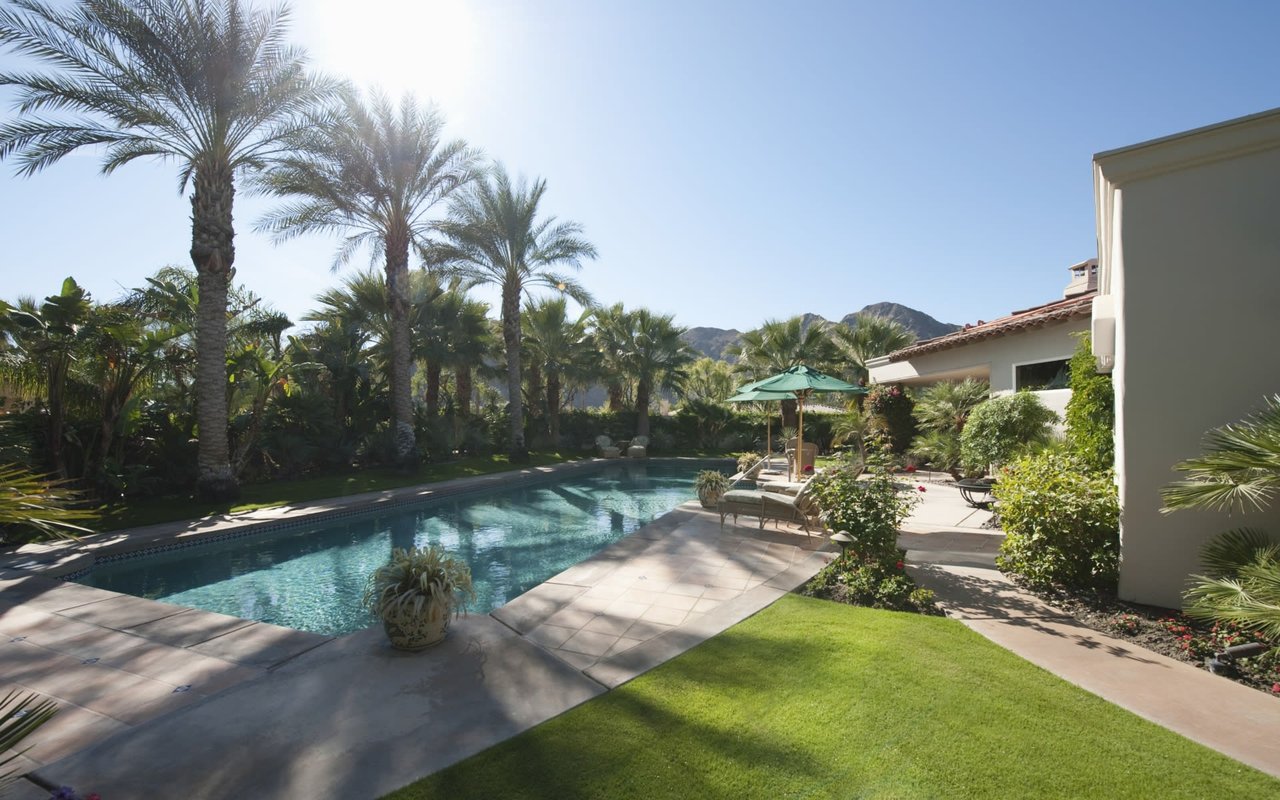
If your home has a pool, buyers are paying attention to it. A clean, well-maintained pool in the Arizona desert is a genuine lifestyle feature that can positively impact your sale. A neglected, green, or visually dated pool raises immediate red flags and questions about overall home maintenance.
Pool presentation mistakes sellers make:
- Leaving the pool uncleaned or unbalanced before photos and showings
- Not repairing obvious issues like cracked coping, broken equipment, or faded plaster before listing
- Ignoring the pool deck — dirty, stained, or cracked concrete around the pool affects the overall impression
- Assuming buyers will just "discount it" and not realizing how much a rough pool affects buyer perception
Before you list a home with a pool:
- Have the pool professionally cleaned and chemically balanced
- Make sure all equipment (pump, filter, cleaner) is functioning
- Clean and, if necessary, pressure wash the pool deck
- Address obvious cosmetic issues if they're within reasonable repair cost
- Have documentation of recent pool service available for buyers
A pool that photographs clean and bright is an asset. Make sure yours reads that way.
The Arizona Home Seller Checklist
Use this as a pre-listing walkthrough:
HVAC & Utilities
- Schedule professional HVAC service and keep the receipt
- Replace air filters throughout the home
- Confirm approximate age and condition of AC units
- Test all ceiling fans and confirm they work
Landscaping & Exterior
- Pull weeds and top off decomposed granite
- Trim desert plants and remove any dead vegetation
- Clean front entry — sweep, power wash if needed
- Add potted plants or fresh color near the front door
- Clean backyard patio and remove clutter
Pool (if applicable)
- Professional cleaning and chemical balance
- Confirm all equipment is working
- Clean and inspect pool deck
- Gather recent service records
Pricing & Positioning
- Request a current CMA based on recent comparable sales
- Review list-price-to-sale-price ratios in your neighborhood
- Set pricing expectations based on today's market, not 2021–2022
Listing Preparation
- Deep clean the interior
- Declutter and depersonalize main living areas
- Confirm listing photos scheduled for optimal daylight
- Review your disclosure obligations with your agent
A Real Example: The Goodyear Seller Who Priced From Memory
Consider a homeowner in Goodyear who watched a neighbor sell for top dollar in early 2022. She assumed her home — similar size, similar neighborhood — would command the same price. Her agent gently walked through a current CMA showing that the comparable sales from the past 90 days had a different price range.
She initially pushed back, listed at the 2021 number, and sat on the market for six weeks with minimal activity. After a price adjustment and a pool cleaning, new professional photos, and a refreshed front yard, she had an accepted offer within two weeks.
The final sale price was still strong — she just needed to start from where the market actually was, not where it had been.
The lesson isn't discouraging. It's practical: accurate pricing from day one almost always outperforms hopeful pricing that requires corrections.
Next Step
If you're thinking about selling your home in Peoria, Surprise, Goodyear, Buckeye, Glendale, or anywhere in the West Valley, the best first move is a simple, no-pressure conversation about where your home stands and what the current market looks like in your specific neighborhood.
Ready to get a clear picture before you list? Schedule a consultation with Stephanie White to walk through your home's condition, current comparable sales, and a realistic plan for getting the strongest possible outcome.
📞 (623) 400-8351 🌐 stephaniewhiterealtor.com
Frequently Asked Questions
Q: When is the best time of year to sell a home in the Phoenix West Valley? Late winter through early spring — typically February through May — tends to see strong buyer activity in the Phoenix area. That said, motivated buyers are in the market year-round. Summer listings can still sell well if priced and presented correctly. Discuss current seasonal activity with your agent before setting your timing.
Q: How old does an AC unit have to be before buyers start worrying about it? Most buyers and inspectors start asking questions around the 10-year mark. Units that are 15 years or older are frequently flagged as a concern. Having documentation of recent service or a professional evaluation before listing helps address this proactively.
Q: Do I need to replace my landscaping to sell, or just clean it up? In most cases, a thorough cleanup is enough. Pulling weeds, topping off gravel, trimming plants, and refreshing the front entry goes a long way without major cost. Full replacement is rarely necessary unless the yard is in genuinely poor shape.
Q: How do I know what my home is worth right now? The most reliable way is a current comparative market analysis (CMA) from a local agent. This looks at homes that actually closed in your area recently — ideally within the past 60–90 days — in a similar size and condition range. Online estimates are a starting point but aren't a substitute for a professional, neighborhood-specific review.
Q: My home has a pool but it needs some repairs. Should I fix it before listing? It depends on the cost and the extent of the repairs. Minor cosmetic issues — dirty grout, a faded pool deck, dated coping — are worth addressing. Major structural or equipment issues are worth disclosing and potentially pricing to account for. Your agent can help you decide what makes financial sense to repair versus disclose.
Q: What does "days on market" actually signal to buyers? When a listing sits without an accepted offer, buyers and their agents start to wonder why. Extended days on market can create a perception that there's something wrong with the home or the price — even if that's not the case. Starting with accurate pricing typically generates more buyer interest early, which is when momentum matters most.
Q: Can I sell in the summer in Arizona? Yes. Buyers are active in summer, including relocating families, military families, and investors. The key is presentation — your home should be a cool, comfortable, inviting space compared to the heat outside — and pricing that reflects current market conditions rather than peak-season assumptions.
