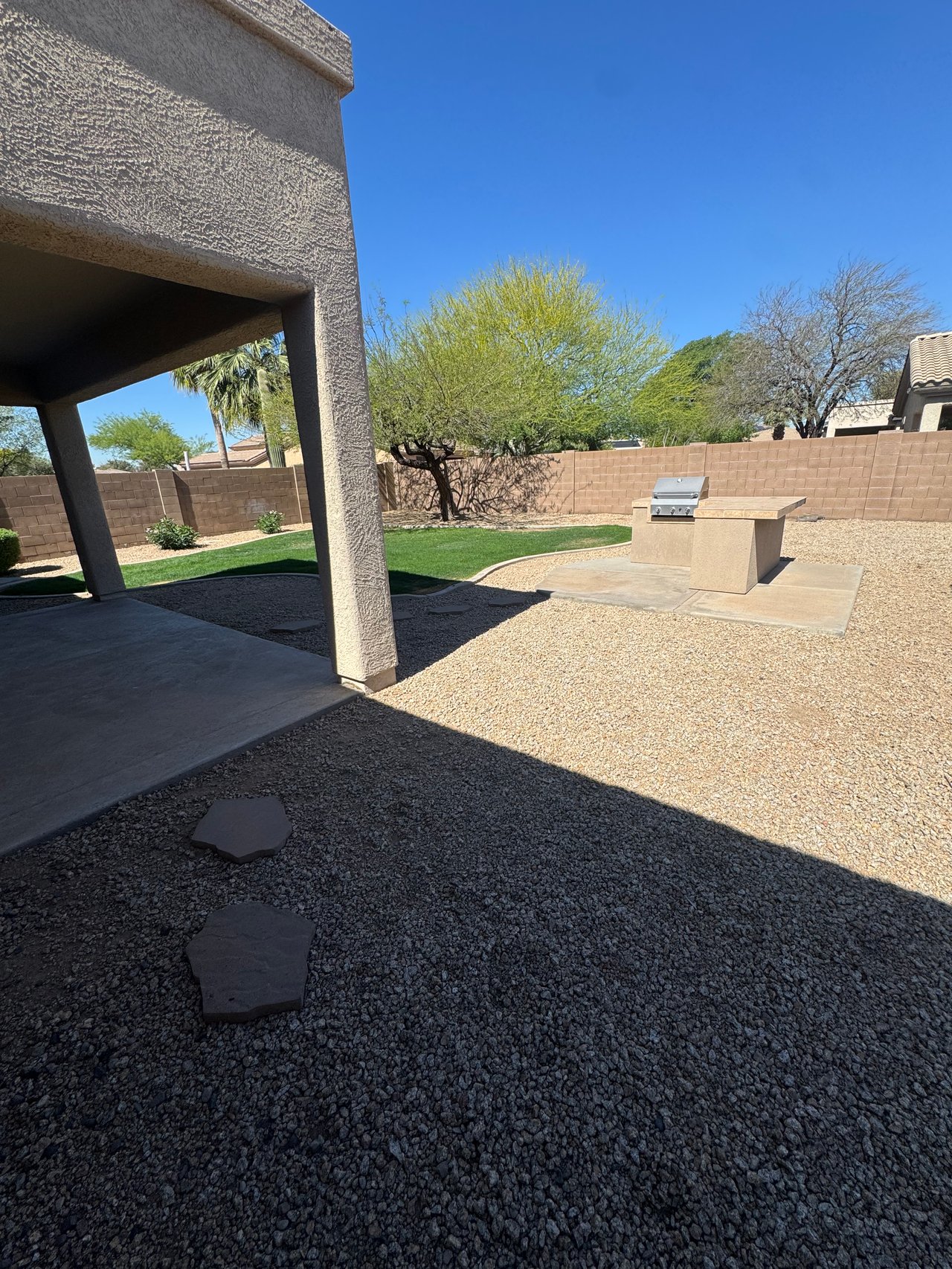
You bought in one of the West Valley's newer master-planned communities — Vistancia, Prasada, Festival Ranch, Estrella, or somewhere similar — and now you're ready to sell. The neighborhood looks great, the amenities are strong, and you've taken good care of the home.
But there's a wrinkle: the builder is still selling new homes in your community. Or just finished. Or a new phase just opened a half mile away.
That changes your selling strategy in ways most sellers don't expect.
This guide walks you through what makes selling a resale home inside an active or recently built community different — and how to position your home so buyers choose you over the shiny new model down the street. Let's dive in.
Why the New Build Factor Actually Matters
When a buyer is shopping in your neighborhood, they're almost certainly cross-shopping with the builder. New construction offers a certain appeal: everything is untouched, they can sometimes choose finishes or lot placement, and builder incentives (rate buydowns, closing cost credits) can be attractive depending on the market.
Your home, as a resale, competes differently. And if you don't understand that competition going in, you may overprice, under-prepare, or lose buyers who could have chosen you.
The good news? Resale homes have real advantages — if you know how to position them.
What Buyers Are Comparing: New Build vs. Your Home
When a buyer tours your resale and then walks a model home, here's what's going through their head:
In favor of new construction:
- Everything is brand new — appliances, roof, HVAC, systems
- Builder warranty (usually 1-year workmanship, 2-year systems, 10-year structural)
- Sometimes customizable — cabinets, counters, flooring selections
- Builder financing incentives tied to their preferred lender
- Perceived simplicity — no negotiation with an emotional seller
In favor of your resale:
- Established landscaping (a real selling point in Arizona's desert climate)
- Window treatments, ceiling fans, and upgrades already in place
- Known HOA situation — no speculation about what assessments may come
- Mature trees or turf areas that new builds don't have yet
- No construction traffic or dust during escrow
- Faster move-in — no waiting on build timelines
- Lot is already selected and set — not a spec lot surrounded by construction
Understanding this list helps you decide where to invest before listing and how to frame the home's value to buyers.
Pricing Your Resale When Builders Are Active
This is where sellers most often make mistakes.
Don't price against your emotional value. Price against what a buyer can actually get elsewhere.
If the builder is selling similar square footage for $50,000 less — even with fewer upgrades — buyers will feel the gap. That doesn't mean you have to undercut the builder. But it does mean your pricing needs to be grounded in what your specific home offers beyond what's available new.
Things that justify a resale premium over new construction pricing:
- Upgrades you've added that builders charge extra for (extended patios, custom closets, smart home systems, premium landscaping)
- Lot position — backing a preserve, wash, or park rather than other homes
- Established trees, turf, or mature desert landscaping
- No wait time and no construction zone experience during escrow
- Pool or spa that would cost $60,000–$90,000+ to add
Things that do not justify a premium:
- Personal décor or paint colors the buyer will likely change
- Standard-grade upgrades that were builder-grade to begin with
- "We put a lot into this home" — buyers price on comparable value, not seller investment
Work with your agent to pull active and sold comps carefully. Look at both resales and builder pricing in your community or nearby phases. The right price lands where a buyer feels the value is fair relative to their alternatives.
Always verify current pricing directly with builders and through your agent's access to the MLS — prices, incentives, and available inventory shift regularly.
Preparing Your Home: Where to Focus
You're competing with a model home that has fresh paint, professional staging, and a full-time sales team. You don't have to match that budget, but you do need to show well.
High-impact prep areas:
Curb appeal and landscaping This is where resale homes can genuinely outshine new builds. If your yard is established, lean into it. Fresh rock, trimmed plants, working irrigation, and a clean front entry go a long way.
Deep clean and touch-up paint Not a full repaint necessarily — but scuffs, fingerprints, and dated accent walls stand out when buyers have just walked a pristine model. Neutral walls tend to photograph better and appeal to more buyers.
Address deferred maintenance Buyers coming from a new-build mindset are especially attuned to anything that looks worn. Dripping faucets, sticking doors, cracked caulk in showers, HVAC filters — take care of the small stuff before listing.
Stage or declutter intentionally You don't need a full professional staging package, but removing personal items, excess furniture, and clutter helps buyers see the home — not your life in it.
Professional photography Non-negotiable. Your photos are competing with builder marketing material. Use a photographer who understands Arizona light and interior composition.
The HOA Reality in New Build Communities
Most West Valley master-planned communities carry HOAs — some with multiple layers (master HOA plus sub-HOA). Before listing, get clarity on:
- Current monthly HOA fees (master + sub, if applicable)
- Any pending special assessments
- What amenities the HOA covers (pools, parks, trails, fitness centers)
- Whether the HOA is still builder-controlled or has transitioned to homeowner governance
- CC&Rs that could affect what buyers can do with the property
Buyers will ask. Their lender will require documentation. Get ahead of this early so it doesn't slow your closing.
Builder Incentives: Your Competition You Can't Ignore
During active selling phases, builders often offer significant incentives — interest rate buydowns, closing cost credits, or upgrade packages tied to using their preferred lender.
In a higher rate environment, a builder offering a below-market rate through their lender can be a compelling offer for buyers — even if the home costs slightly more.
As a resale seller, you can't match builder financing directly. But you can:
- Offer a seller concession toward the buyer's closing costs or rate buydown
- Price competitively enough that the math still works for buyers
- Highlight real advantages (no wait, established lot, included upgrades) that have monetary value
Talk to your agent about what concessions are common in the current market and whether offering one upfront makes sense for your situation.
Timing Considerations
If you're in an active build-out community, timing your listing matters.
When fewer builder homes are available: More buyer traffic comes to resales. Your competition is smaller.
When a new phase just opened: Buyers may gravitate toward new. This can slow resale activity temporarily.
Seasonal factors in the West Valley: The fall-to-spring window (October through April) typically brings stronger buyer activity in Arizona, including relocating families and military PCS cycles tied to Luke AFB. Summer listings see less foot traffic but can still sell well if priced and presented correctly.
These patterns shift and your agent can help you evaluate current inventory and absorption data before picking your list date.
A Real Scenario: The Encinas Family in Surprise
The Encinas family bought in a Surprise master-planned community in 2021. They're now ready to upsize. Their neighborhood still has active new build sales in a final phase, with builder pricing about $30,000 below their initial target list price.
Rather than listing at their hoped-for price, their agent helped them:
- Pull comps on resales in the same community over the last 90 days
- Assess what their upgrades (extended covered patio, custom landscaping, ceiling fans throughout) were worth to a buyer relative to the base new build
- Confirm the builder's incentive package and estimated wait time on new homes
- Price the home $15,000 above builder base pricing — justified by the upgrades and the immediate move-in timeline
The home sold in three weeks to a relocating buyer who needed to close quickly and didn't want to wait on a build. Pricing it right, backed by real data, made the difference.
Seller Checklist: New Build Community Edition
Before you list, work through this:
Pull builder pricing and available inventory in your community or nearby phases
Get HOA documents ready: fees, CC&Rs, budget, any pending assessments
Complete a pre-listing home inspection or at minimum address visible deferred maintenance
Gather upgrade documentation — what you added, when, and approximate cost
Assess curb appeal and landscaping — this is a resale advantage, use it
Discuss seller concession strategy with your agent
Confirm your listing timeline against current builder inventory levels
Hire a professional photographer
Verify property tax status and confirm no outstanding liens
Common Mistakes to Avoid
Pricing emotionally instead of competitively. What you paid, what you put in, and what you "need" to net are not comps. Buyers price against alternatives.
Ignoring the builder's incentive package. Know what the builder is offering before you list. Your agent should track this.
Skipping the HOA documentation. Missing or incorrect HOA disclosures can cause delays or fall-throughs at closing. Get this squared away early.
Underestimating presentation. You're competing with a model home in some cases. First impressions — curb, photos, entry — carry significant weight.
Waiting too long to adjust price. If you're not getting showings in the first two to three weeks, the price is likely the issue. Don't wait out a slow market hoping for one buyer to find you.
Your Next Step
Selling in a new build community is absolutely doable — but it takes a clear-eyed strategy, honest pricing, and solid preparation.
If you're thinking about listing in Peoria, Surprise, Goodyear, Buckeye, or anywhere else in the West Valley, Stephanie White can help you run through your specific situation: what the builder competition looks like right now, where your home stands on value, and what it would take to position it well.
Ready to map out your selling plan? Schedule a friendly consultation with Stephanie White and we'll build a simple, step-by-step approach for your specific community and timeline.
📍 Serving Peoria · Surprise · Goodyear · Buckeye · Glendale · North Peoria · Vistancia · Estrella · Prasada and surrounding West Valley communities.
Frequently Asked Questions
Q: Can I sell my resale home for more than what the builder is charging for new homes in my community? Possibly, yes — but it depends on what your home offers that new builds don't. Established landscaping, added upgrades, a desirable lot position, and immediate move-in availability can all support a premium. The gap has to be justifiable to a buyer who is actively cross-shopping. Your agent can help you assess this with current data.
Q: Should I do a pre-listing home inspection? It's worth seriously considering, especially in a new-build community where buyers may assume a resale has more wear. A clean inspection report — or one where you've already addressed items — gives buyers confidence and reduces negotiation friction during escrow.
Q: How do builder incentives affect my ability to sell? It depends on the size and structure of the incentive. Rate buydown offers tied to builder lenders can be appealing. Your agent can help you evaluate whether a seller concession makes sense to level the playing field and at what price point that math works for you.
Q: What HOA documents do I need to provide as a seller in Arizona? Arizona law requires sellers to provide the HOA's Disclosure of Pending Assessment, CC&Rs, bylaws, rules and regulations, financial statements, and other governing documents. Your HOA management company can provide a resale disclosure package, usually for a fee. Start this process early — it can take time to receive.
Q: Is spring or fall better for listing in the West Valley? Generally, October through April sees stronger buyer activity in the Phoenix metro, including relocation buyers and military PCS transfers near Luke AFB. That said, well-priced, well-presented homes sell year-round. Your specific community inventory and builder competition matter as much as the season.
Q: What if I've only owned my home for two to three years — will I still make money? That depends on what you paid, market conditions at the time of listing, and what you've put into the home. Your agent can run a net proceeds estimate that factors in your mortgage payoff, closing costs, commissions, and any concessions. Don't assume — get the actual numbers before you decide.
Q: Do I need to disclose that there's active new construction in my community? Arizona has broad seller disclosure requirements. If active construction in your community could materially affect the buyer's experience — noise, dust, traffic, HOA transition status — it's worth discussing with your agent and potentially your real estate attorney. Disclosure is generally the safer path.
