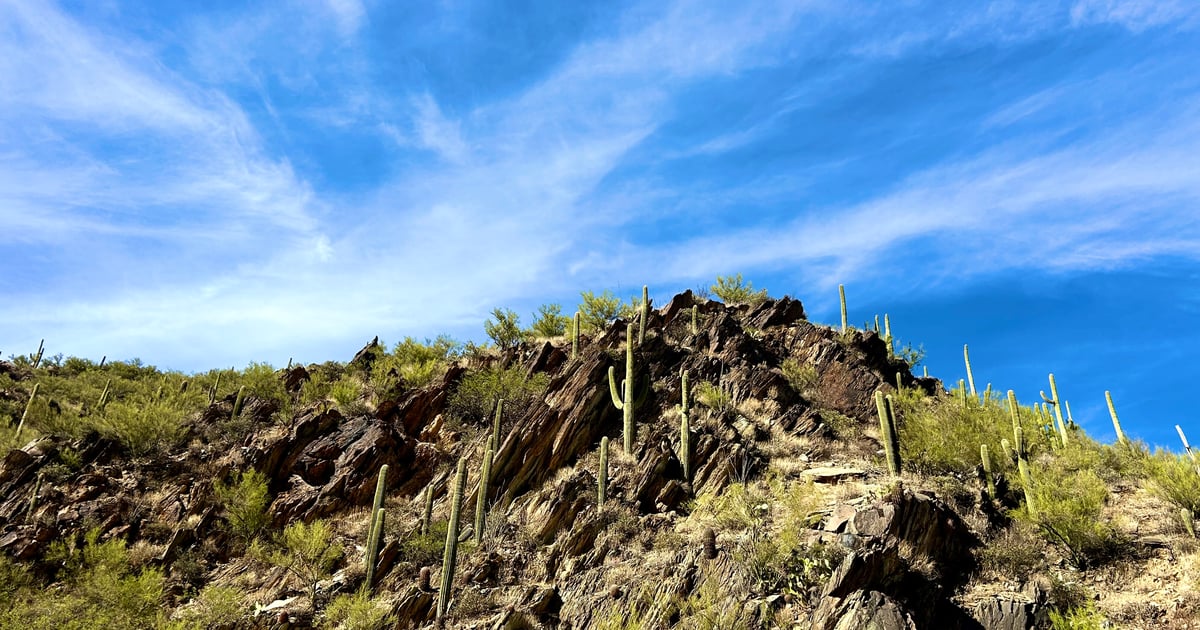
If this is your first summer in the West Valley, at some point in July the sky to the south will turn brown, the wind will pick up out of nowhere, and your weather app will light up with a dust storm warning. Welcome to monsoon season. It looks dramatic (it is), but it's also one of the most predictable rhythms of desert living, and a little preparation makes it feel routine. This guide covers what monsoon season actually is, what those storms do, how to get your home ready, and what it all means if you're buying or selling a home this summer.
What Monsoon Season Actually Is
Arizona's monsoon season officially runs June 15 through September 30. The National Weather Service set that fixed window in 2008 so the season would be easier to track and prepare for; before that, the start was declared only after dew points stayed high for three days in a row. The pattern behind it is a seasonal wind shift that pulls moisture up from the south. That moisture, plus summer heat, builds afternoon and evening thunderstorms, most active in July and August.
Two things surprise newcomers. First, monsoon is not a single storm; it's a season of scattered, fast-moving cells. One neighborhood in Peoria can get an inch of rain while another stays bone dry. Second, longtime locals start checking the dew point, not just the high temperature, because that's what tells you whether storms can build that day.
What a Monsoon Storm Can Bring
Dust storms (haboobs)
The signature monsoon event: a wall of dust pushed out ahead of a collapsing thunderstorm. They look apocalyptic, pass in less than an hour, and mostly demand two things from you: get inside, and stay off the road until it passes.
Microbursts
Sudden columns of sinking air that hit the ground and spread out with damaging straight-line winds. These are what snap trees and toss patio umbrellas, and they're a big reason pre-season yard prep matters.
Lightning and heavy rain
Desert soil absorbs water slowly, so an intense half-hour storm can briefly flood washes, intersections, and low-lying streets. Never drive through a flooded wash, even a shallow-looking one.
The payoff
The first big monsoon rain releases the smell of creosote across the desert, and it's one of the best things about living here. Storm cells build over the White Tank and Bradshaw foothills, the sunsets afterward are unreal, and the desert visibly greens up by September.
Getting Your Home Ready: A Pre-Storm Checklist
Most monsoon damage is preventable with an hour or two of preparation early in the season.
- Roof: Have the roof inspected or at least visually checked before the season peaks. Look for cracked or slipped tiles, worn underlayment on older roofs, and debris in roof valleys. Small issues become leaks when wind-driven rain arrives.
- Scuppers, gutters, and drains: Many Arizona homes drain flat-roof sections through scuppers. Clear them, along with any gutters and yard drains, so water has somewhere to go.
- Grading and drainage: Walk the yard and confirm the ground slopes away from the foundation. If water pooled against the house last summer, fix that before this one.
- Trees: Thin and trim ahead of the season. Fast-growing desert trees are notorious for coming down in microbursts when they're overgrown or overwatered, and a healthy canopy that wind can pass through survives far better than a dense one.
- Patio furniture and umbrellas: Anything light enough for wind to move becomes a projectile. Close umbrellas when you're not outside and stow or anchor loose items when storms are forecast.
- Pool: Expect dust and debris after storms. Running the pump and skimming promptly after a haboob keeps a green pool from becoming your weekend project.
- Power-outage basics: Storms occasionally knock out power. Know your utility's outage-reporting page, keep flashlights where you can find them, and have a plan for garage door manual release so you can get the car out if the opener has no power.
- Insurance check: Read your homeowner's policy before you need it. Wind damage is commonly covered; flood damage typically is not (more below). Confirm your specific coverage with your insurance provider.
Driving in a Dust Storm: Pull Aside, Stay Alive
The Arizona Department of Transportation runs a safety campaign every driver here should know: Pull Aside, Stay Alive. If you're caught in blowing dust: slow down immediately, exit the roadway completely if you can, pull off the paved portion, turn off all lights including flashers (so other drivers don't follow your taillights off the road), set the parking brake, take your foot off the brake, and wait it out with your seatbelt on. Dust channels usually pass within minutes.
The Flood Insurance Question
This one catches people who moved from wetter climates off guard, in reverse: yes, the desert floods, and no, your homeowner's policy almost certainly doesn't cover it. Most standard homeowner's insurance does not cover flood damage. Flood coverage is a separate policy, commonly through the National Flood Insurance Program (NFIP), which FEMA manages, and a new NFIP policy typically has a 30-day waiting period before it takes effect, with limited exceptions such as coverage purchased in connection with a mortgage closing. If your home sits near a wash or in a mapped flood zone, that decision is worth making at the start of the season, not when a storm is on the radar. Because coverage, flood-zone maps, and premiums vary by property, verify the details for your specific home with your insurance provider and lender.
Buying or Selling During Monsoon Season
Storm season actually gives buyers and sellers useful information.
If you're buying: touring homes in July and August lets you see how a property handles weather. After a storm, look at where water pooled in the yard, check ceilings and around skylights for staining, and ask about roof age and any past repairs. Arizona's standard seller disclosure asks about past roof leaks and water damage, so read it carefully and have your inspector pay attention to the roof, drainage, and any flat-roof sections.
If you're selling: a pre-listing walk-through of the checklist above protects both your home and your sale. A cleared roof, tidy drainage, and a documented recent roof inspection answer buyer questions before they're asked, and monsoon-season showings reward homes that present well right after a storm.
Because roof condition, drainage, flood-zone status, and insurance costs are property-specific, verify the details for the specific home you are considering.
Frequently Asked Questions
When is Arizona's monsoon season?
Officially June 15 through September 30, per the National Weather Service, with the most active storms usually in July and August.
Do West Valley homes flood often?
Most don't, but localized flooding around washes and low-lying streets does happen during intense storms. Flood risk is property-specific; check the flood-zone status of any home you own or are considering, and remember flood insurance is separate from homeowner's insurance.
What exactly is a haboob?
A large wall of wind-driven dust pushed ahead of a thunderstorm's outflow. They're brief and manageable: get indoors, and if you're driving, pull aside and stay alive.
Is monsoon season a bad time to buy or sell?
No. The West Valley market runs all summer, and storm season gives buyers a realistic look at how homes perform. It simply rewards preparation, for sellers and buyers alike.
Make Your Move With a Local Who Knows the Rhythm
Monsoon season is part of the deal here, and after a season or two, checking the dew point and smelling the creosote after that first big rain will feel like home. If a move is on your mind this summer, ready to compare your options? Schedule a friendly consultation with Stephanie White so you can build a simple, step-by-step plan for your next move.
Stephanie White, REALTOR® | Howe Realty | (623) 400-8351
Sources: National Weather Service (monsoon season definition); Arizona Department of Transportation "Pull Aside, Stay Alive"; FEMA / National Flood Insurance Program. Accessed July 2026. Because weather risk, insurance coverage, flood-zone maps, and property conditions vary, verify the details for the specific property you are considering.
